





















45% Of Budapest Voters Prefer Incumbent Tarlós
- 11 Oct 2018 7:53 AM
- Hungary Matters
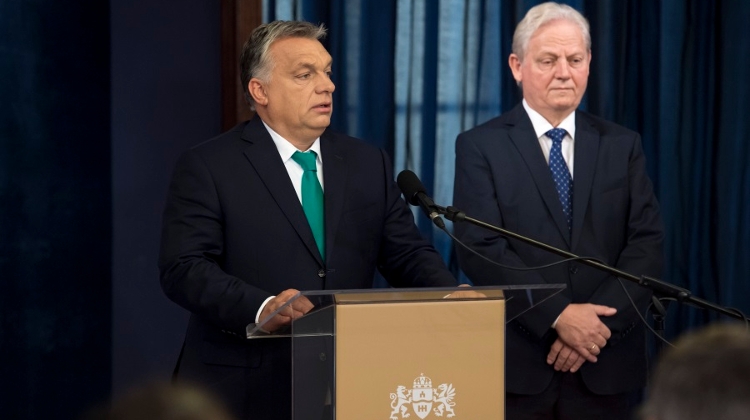
Budapest Mayor István Tarlós has every chance of winning re-election to a third consecutive term, according to a poll by the Nézőpont Institute published prior to Tarlós’s announcement that he would run in next year’s local government elections.
Nézőpont found that Tarlós would garner 45% of the votes. Tarlós, who has so far run on a Fidesz ticket, “is more popular than Fidesz,” the thinktank said, noting that the mayor had an 11 point advantage over the ruling party.
Nézőpont found in its poll of 800 people that a left-wing candidate would have the support of 30% of Budapest voters and the conservative Jobbik party’s candidate would get the backing of 6%. A green party LMP candidate would be preferred by 8% in an election this Sunday.
The think-tank said the opposition was highly fragmented in the capital. The strongest anti-government party in Budapest is the Momentum Movement (10%), followed by the Democratic Coalition (9%), while the satirical Hungarian Two-Tailed Dog Party and Jobbik were tied at 8%. The Socialists and Párbeszéd had 6% each and the LMP was preferred by 5%.
Photo: kormany.hu / Árvai Károly
Related links
XpatLoop Media Partner






LATEST NEWS IN current affairs