
















How to Prevent Skin Damage from the Sun: Four Tips for Summer Protection
- 23 Jun 2025 3:23 PM

Imagine revisiting your favorite beach without sunscreen, only to find yourself nursing painful blisters caused by a day in the sun. Or consider a future where you worry about developing skin cancer due to years of insufficient sun protection. Relatable experiences like these underscore the importance of prevention.
Taking care of your skin isn’t just about looking good—it's about staying safe, too. Dermatologist Dr. Ina-Andreea Mintas explains how to protect your skin during the summer and offers practical tips to keep your skin healthy in intense sunlight.
Understanding Sun Damage: The Dangers of UV Exposure
With the arrival of bright, sunny summer days, we eagerly head outside to enjoy the sun at the beaches, go hiking, and explore new sights, while often overlooking the dangers of sun exposure.
While sunshine can feel energizing and fun, and support health with beneficial Vitamin D, at the same time, those powerful UV rays can also significantly harm your skin. Too much sun exposure can be responsible for 90% of visible skin aging and increase the risk of skin cancer.
Sun damage is caused by UV radiation, an invisible energy emitted by the sun. This damage can manifest in various ways, ranging from mild issues like sunburn to more severe conditions like skin cancer.
Types of UV radiation and their adverse effects on skin:
UVA (long-wave): Responsible for premature skin aging, wrinkles, and age spots.
UVB (mid-wave): Causes sunburn and contributes to the development of skin cancer.
UVC (short-wave): Although blocked by the Earth's ozone layer, artificial exposure can cause severe harm to the skin and eyes.
Moreover, the thinning of the ozone layer allows more harmful UV rays to enter, leading to health problems, further to the environmental harm, underscoring the importance of sun protection.
The Significance of Skin Protection
Sun exposure risks include both cosmetic aging and serious health dangers like melanoma.
How does this happen? UV radiation penetrates the skin's layers, damaging elastin fibers and breaking down collagen. Over time, this causes thinner skin, wrinkles, and mutations that make the skin look older and can lead to cancer. Sun damage accumulates over time, meaning even minor burns can contribute to long-term harm.
Avoiding the harmful effects of sunlight becomes especially important during summer when UV rays are at their strongest.
Effective Sun Protection Strategies
Reducing your risk of sun damage is simpler than you might think. By incorporating a few straightforward habits into your daily routine, you can safeguard your skin and enjoy the sun responsibly.
1. Use sunscreen regularly when spending more time outdoors
-
Select a broad-spectrum sunscreen with an SPF of 30 or higher to protect against both UVA and UVB rays.
-
Reapply sunscreen every 2 hours, and more frequently if you are swimming or sweating.
2. Wear protective clothing
-
Protect your head and eyes with wide-brimmed hats and UV-blocking sunglasses to shield them from the sun's harmful rays.
-
Lightweight and comfortable fabrics such as cotton offer protection from the sun and intense heat.
3. Avoid Peak Sun Hours
Seek shade or limit outdoor exposure during the strongest sunlight hours between 10 a.m. and 4 p.m.
4. Perform Regular Skin Checks and Screenings
Routine skin examinations and screenings are crucial for identifying possible issues at an early stage:
-
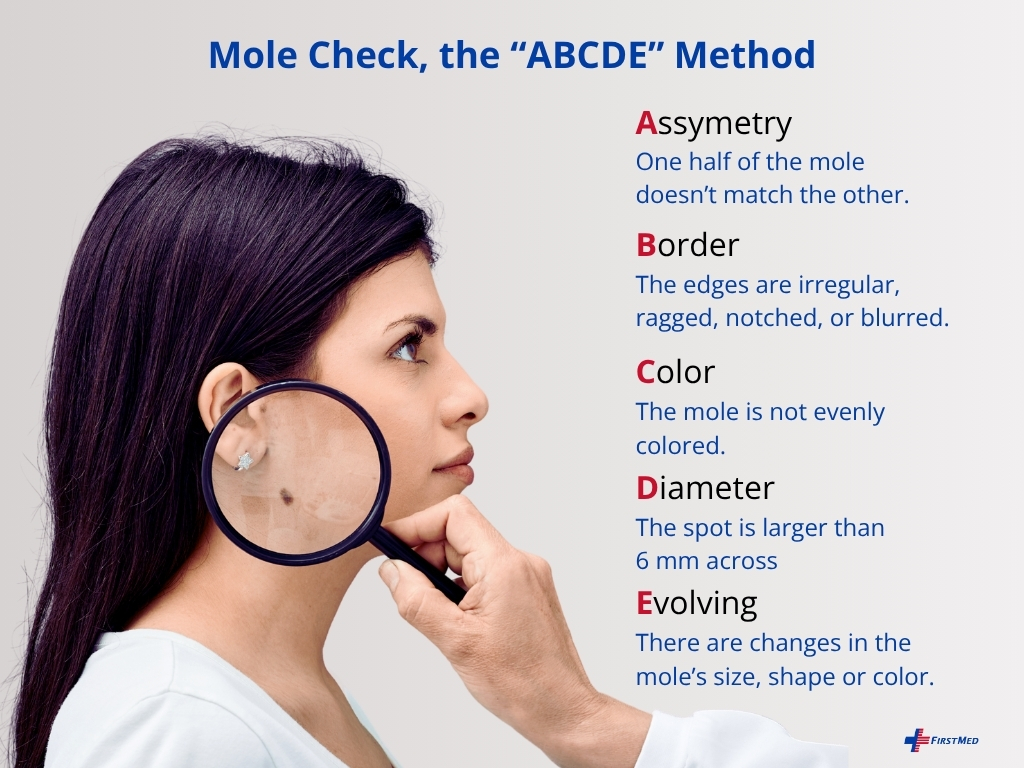
Check your moles using the ABCD method to detect any changes, including the development of new moles or changes in their appearance or color.
-
Regular skin screenings can detect any changes early, which is key to successful treatment, particularly for conditions such as melanoma.
“Daily skin protection—whether with sunscreen, shade, or regular skin screenings—can reduce your risk of developing harmful conditions and enjoy the sun safely,” outlines the dermatologist. “By taking these preventive measures, you significantly lower your chances of developing sun-related complications, such as skin cancer.”
Recognizing the Signs of Sun Damage
Keep an eye on the changes, which may indicate the early signs of sun damage, such as:
-
Persistent redness or sunburn.
-
New or abnormal moles with irregular edges, multiple colors, or changes in size or texture.
-
Dry patches or scaly growths that won’t heal.
If you notice any of these warning signs, consult a dermatologist immediately for a skin check. Early detection is key, and seeking professional advice can enhance positive outcomes.
Conclusion
Your skin, the body's largest organ, acts as a vital shield against environmental hazards. Excessive sun exposure can lead to dryness, accelerate skin aging, and increase the risk of severe conditions, such as skin cancer.
Care for your skin with simple protective measures: shield it from harmful rays and schedule regular skin checks. Doing so not only benefits you but also sets a positive example for others. Remember, while a tan may fade, the damage from unprotected sun exposure can last a lifetime.
If you notice any unusual changes on your skin or want more tips on protecting yourself in the sun, don’t hesitate to book an appointment with a dermatologist today.
Click here to virtually visit FirstMed Budapest: English-Speaking clinic

LATEST NEWS IN specials