
















Watchdog Issues Guidelines for Handling Reports of Retail Banking Fraud in Hungary
- 20 Jan 2026 8:18 AM

The National Bank of Hungary (NBH) has issued guidance to lenders on handling reports of fraud from retail clients in an executive circular, the central bank and financial market regulator said.
In the executive circular, the NBH instructs banks to start their call menus with an option to report financial fraud and to ensure an operator responds to calls within two minutes.
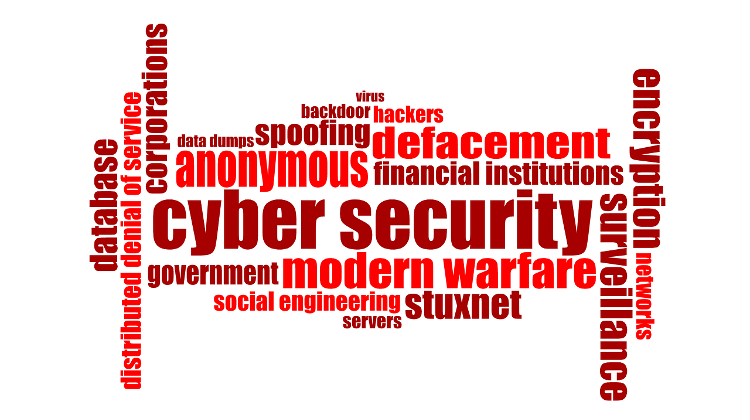
Banking fraud in Hungary has become a significant concern recently, primarily driven by a surge in digital transactions.
According to the Magyar Nemzeti Bank (MNB) and the CyberShield (KiberPajzs) initiative, here are the most recent and relevant statistics for 2024–2025:
Total Damages: In 2024, cybercriminals caused an estimated HUF 30 billion (approx. $85 million) in damages within Hungary.
Victim Count: Roughly 13,000 individuals fell victim to digital banking fraud in 2024 alone.
Prevalence: Nearly half of the Hungarian population (48%) has either personally experienced a fraud attempt or knows someone who has.
Success Rates: Real-time fraud detection has proven critical. At banks using these systems, only 7% of fraud attempts were successful, compared to an 82% success rate at institutions without them.
Average Loss: Recent reports from late 2025 indicate that victims of successful phishing attacks lose an average of HUF 1.5 million per incident.
Common Fraud Types here
The landscape has shifted from technical "hacking" to social engineering (manipulating the user):
* Phishing & Bank Impersonation: This remains the most common method, where fraudsters call or message victims pretending to be bank security staff.
* Marketplace Scams: Fraud on online second-hand marketplaces (like Vinted or Marketplace) is a major driver, with 43% of users reporting fraud attempts.
* Deepfakes & AI: Emerging in late 2024 and 2025, criminals are increasingly using AI-generated voice impersonation to trick family members or employees into making urgent transfers.
To combat these trends, the MNB launched the Central Fraud Monitoring System (CFDS) on July 1, 2025.
This system:
* Uses Artificial Intelligence to screen every instant transfer in Hungary in real-time.
* Assigns a risk score to transactions to help banks block suspicious payments before the money leaves the account.
* Shifts more liability toward banks if they fail to apply proper customer authentication.
Source: MTI – Hungary’s national news agency since 1881. While MTI articles are usually factual, some may contain political bias, and readers should be aware that such content does not reflect the position of XpatLoop, which is neutral and independent.
Since the goal of XpatLoop is to keep readers well briefed, right across the spectrum of opinions, MTI items are shared to ensure readers are aware of all narratives within the local media.
XpatLoop believes in empowering readers to form their own views through complete and comprehensive coverage. To facilitate this XpatLoop has a balanced range of news partners, as you can see when you surf around XpatLoop.com
*********************************************************************************************
You're very welcome to comment, discuss and enjoy more stories via our Facebook page:
Facebook.com/XpatLoopNews + via XpatLoop’s groups: Budapest Expats / Expats Hungary
You can subscribe to our newsletter here: XpatLoop.com/Newsletters
Showcase Your Business to Expats in the Loop:
As an independent portal we’re grateful to all commercial supporters who help keep you in the loop with fresh insights and inspiration. Do you want your business to reach tens of thousands of potential high-value expat customers? If so please contact us here.
LATEST NEWS IN finance