
















Decades-Long Danube Dispute: Will a Dam Be Built at Nagymaros in Hungary?
- 17 Jul 2025 8:57 AM

An agreement between Hungary and Slovakia on regulating water flow on the Danube is taking shape, Gabor Czepek, a state secretary at the Energy Ministry, told public television.
Czepek, who is also the government commissioner for developing Hungarian-Slovakian energy infrastructure, tasked with resolving a decades-long dispute over the Gabcikovo–Nagymaros dams project, noted that the cross-border barrage project launched some 50 years earlier had produced a hydroelectric dam on the Danube in Slovakia, at Gabcikovo, but Hungary had shelved the construction of a dam on its stretch of the river, in Nagymaros.
He added that a decision by the International Court of Justice in The Hague had acknowledged the merits of the arguments of both sides, sending them back to the negotiating table.
Czepek said it had become apparent that the Gabcikovo hydroelectric power plant would continue to operate for the coming 30 years, adding that Slovakia had taken steps to extend its lifespan.
He said the good diplomatic and intergovernmental ties necessary to reach a favourable agreement on energy, environmental and water management issues were in place, but a deal also required the involvement of local residents and pointed to talks on Friday with the mayors of settlements near the dam.
He added that there was unanimous support for points in an agreement the government aimed to flesh out with the Slovakian side.
He said those points included acknowledging that a dam would never be built at Nagymaros, getting more water from Slovakia and sharing power from the Gabcikovo hydroelectric works. He added that Hungary wanted to get one-third of the electricity generated at the dam at favourable prices.
Brief history
The Gabčíkovo–Nagymaros Waterworks is a large-scale hydroelectric and flood control project on the Danube River, initiated by a 1977 treaty between Hungary and Czechoslovakia. Its goals included flood prevention, improved navigation, and clean energy generation.
Project Disruption and Dispute
While Slovakia (then part of Czechoslovakia) completed the Gabčíkovo Dam, Hungary suspended its participation in the 1980s due to environmental and economic concerns, and eventually attempted to withdraw from the treaty. Slovakia proceeded unilaterally with an alternative version ("Variant C"), diverting the Danube entirely into Slovak territory, which severely impacted Hungary’s water flow and environment.
International Legal Case
The dispute escalated to the International Court of Justice (ICJ), which ruled in 1997 that:
-
Hungary breached the treaty by halting construction;
-
Slovakia (successor to Czechoslovakia) was justified in pursuing an alternative solution, but should not have acted before the Court’s ruling;
-
Both sides must negotiate in good faith and compensate each other for damages.
Despite further negotiations, Hungary delayed action on completing the project. In 1998, Slovakia requested further judgment, but by 2017 both sides agreed to discontinue proceedings, leaving the issue largely unresolved.
Nagymaros Dam
The second dam at Nagymaros, planned for Hungary, was never built. Its absence prevents Gabčíkovo from operating at full efficiency and remains a significant obstacle for Danube navigation and flood regulation.
Environmental Impact
The project triggered widespread environmental protest in Hungary and ongoing scientific concern. Studies report:
-
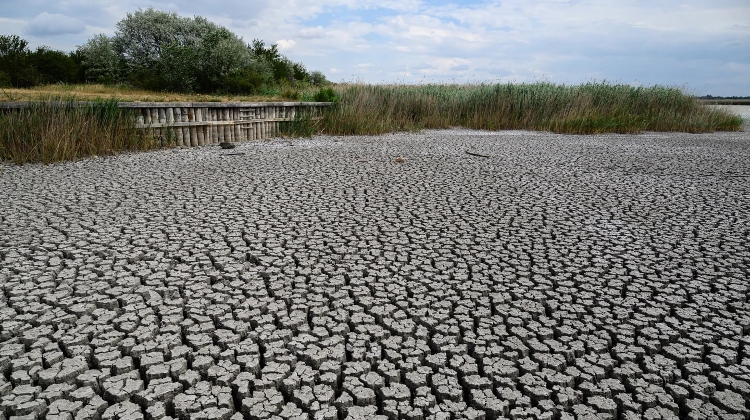
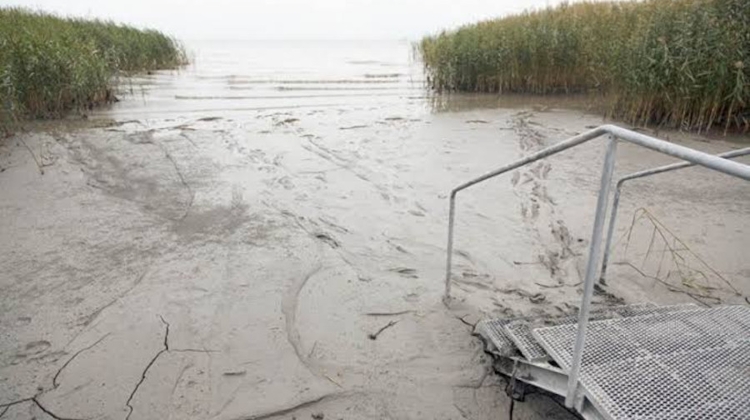
Negative effects: riverbed erosion, decreased water levels, and unstable sedimentation.
-
Positive effects near Gabčíkovo: stabilized groundwater levels, improved water quality, and better local habitats for wildlife.
Environmental outcomes vary by region, with improvements seen in Slovakia near the dam and continuing degradation in downstream Hungarian areas.
Source: MTI – Hungary’s national news agency since 1881. While MTI articles are usually factual, some may contain political bias, and readers should be aware that such content does not reflect the position of XpatLoop, which is neutral and independent.
Since the goal of XpatLoop is to keep readers well briefed, right across the spectrum of opinions, MTI items are shared to ensure readers are aware of all narratives within the local media.
XpatLoop believes in empowering readers to form their own views through complete and comprehensive coverage. To facilitate this XpatLoop has a balanced range of news partners, as you can see when you surf around XpatLoop.com
*********************************
You're very welcome to comment, discuss and enjoy more stories via our Facebook page:
Facebook.com/XpatLoopNews + via XpatLoop’s groups: Budapest Expats / Expats Hungary
You can subscribe to our newsletter here: XpatLoop.com/Newsletters
Showcase Your Business to Expats in the Loop:
As an independent portal we’re grateful to all commercial supporters who help keep you in the loop with fresh insights and inspiration. Do you want your business to reach tens of thousands of potential high-value expat customers? If so please contact us here.



LATEST NEWS IN current affairs