















Vaccinations During Pregnancy in Hungary
- 10 Dec 2025 4:36 PM
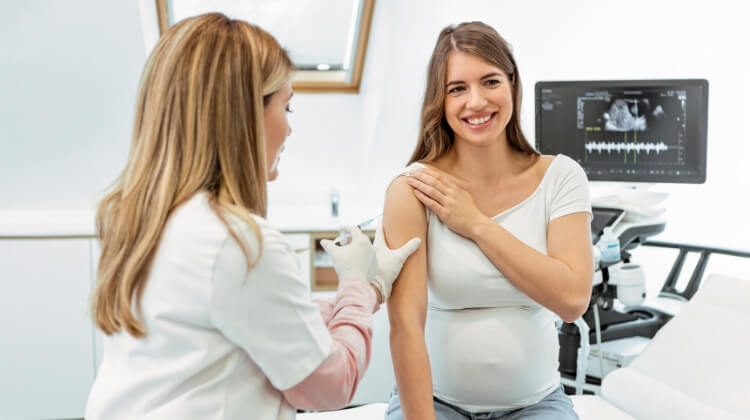
Is it safe to get vaccinations during pregnancy or breastfeeding?
As flu season begins in Hungary, it's time to get updated vaccines for upper respiratory infections, such as the flu. Many wonder, 'What about when I'm pregnant? Should I take any vaccine during this period?'
Rest assured, it is not only safe but also recommended to receive certain vaccinations at specific stages of pregnancy, to increase protection for the mother and the baby. Understand how these vaccines safeguard your health during pregnancy, and familiarize yourself with local guidelines and vaccination recommendations in Hungary.
Pediatrician and lactation consultant Dr. Erika Bodnár provides guidance on immunizations during this pivotal period, and explains which vaccines to prefer and which to avoid.
How do vaccines taken during pregnancy protect the babies?
During pregnancy, the developing baby receives essential antibodies (immunoglobulin IgG) from the mother through the placenta. This natural transmission is key to the development of the baby's immune system, as the maternal antibodies enhance the protection against pathogens after birth, effectively setting up the newborn's early immunity against infections.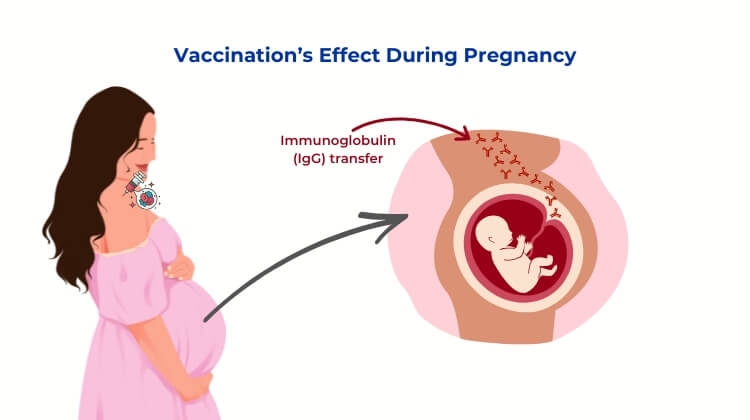
Which vaccines are safe to get in Hungary while pregnant?
It is important to know that while some vaccines are strongly recommended for use during pregnancy, others should be strictly avoided. Dr. Erika Bodnár provides below a general summary of the vaccines considered safe for pregnant women in Hungary.
-
Influenza: Given the changing seasons in Budapest, the flu vaccination is recommended for all pregnant women early in the flu season to protect themselves and the newborn from severe flu complications.
-
Dtap (diphtheria, tetanus, pertussis): Recommended between weeks 26 and 32 of pregnancy, this vaccine is crucial for safeguarding against whooping cough, which can be particularly severe in newborns.
-
COVID-19: With COVID-19 vaccines available at designated vaccination points and family practitioners in Budapest, it's recommended to protect against the virus's complications at any stage of pregnancy.
-
RSV (Respiratory Syncytial Virus): Following local health authorities' advisories, an RSV vaccine may be recommended for pregnant women in weeks 24-36 (also possible in 30-32 weeks), to protect the newborn from severe RSV infection, which can be prevalent in Hungary.
Additional vaccines, such as those against rabies and hepatitis, are recommended only if there is a risk of being infected or if travelling to areas where these diseases are common is unavoidable. Some, such as HPV, Yellow fever, and MMR (measles, mumps, and rubella), should be avoided.
Take the information above as general guidance; always consult your local healthcare provider before receiving any vaccinations during pregnancy. Discuss any concerns or questions with your doctor to ensure your vaccination plan is safe and appropriate for your specific situation.
How to schedule vaccinations while being pregnant?
Being proactive in vaccinations ensures the best possible protection for pregnant mothers and their babies. It is best to get vaccinated before conception. Still, you are safe to receive the recommended vaccinations up to the 36th week plus 6 days (i.e., before the 37th week) of pregnancy, but avoid any within 2 weeks of childbirth.
If a vaccine, such as the hepatitis vaccine, requires multiple doses spaced over several months and the vaccination series cannot be completed within the recommended timeline, it can be continued during breastfeeding.
Remember that it takes about two weeks for the body to produce protective antibodies after vaccination. This is a critical time frame during the autumn-winter season, when seasonal respiratory illnesses such as flu, COVID-19, and RSV may be common in Hungary. To allow sufficient time for immunity to develop, try to schedule your vaccinations as early as possible in the season.
What about being vaccinated during breastfeeding?
Vaccinations administered soon after delivery still protect the mother and transfer vital antibodies to the baby through breastfeeding. In case you could not receive the recommended vaccines before or during your pregnancy, you are safe to get them while breastfeeding. During this time, both mothers and their babies are building their own immunity. Infants also start getting their own vaccinations according to the Hungarian schedule to help protect them against serious childhood diseases.
Vaccination for family members, “nest protection”
It is also highly recommended to vaccinate those individuals who are in close contact with pregnant women or newborns. They should primarily get the seasonal flu shot, DTaP booster, and chickenpox vaccine in Hungary. Ensuring that family members are up to date on their vaccinations creates a safer environment for the mother and newborn, minimizing the risk of disease transmission.
Navigating vaccinations during pregnancy in Budapest
You can receive the recommended vaccinations at various local public and private healthcare facilities in Budapest, including those that offer English-speaking services and comprehensive prenatal care for expatriates. These services include vaccination consultations tailored to the specific needs of expectant mothers, ensuring they receive personalized advice based on their medical history and current Hungarian health guidelines.
Summary
Vaccinations offer significant protection for the health of pregnant women and their babies in Hungary. By adhering to local health guidelines and availing of recommended vaccinations at the right time, expectant mothers in Budapest can enhance their and their baby's protection against various infections.
Certain vaccinations (such as flu, COVID, RSV (respiratory syncytial virus), and pertussis (whooping cough)) are essential for protecting the pregnant mother and her newborn from illnesses likely to occur during the fall and winter seasons. Those in close contact with a pregnant or nursing mother are also encouraged to get vaccinated, providing additional protection for the family.
Consult with your local healthcare provider about getting the recommended vaccinations to ensure your and your baby's well-being during pregnancy. If you have any questions or need further guidance tailored to living in Hungary, contact Dr. Erika Bodnár, who is happy to provide personalized advice and support.
Read more on this topic:
-
Vaccination before and during pregnancy – WHO Fact Sheet (downloadable)
- Vaccine Resources for Pregnant Women | Pregnancy & Vaccines | CDC (U.S. Centers of Disease Control and Prevention)
- Oltások a várandósság alatt (Egészségvonal - Nemzeti Népegészségügyi és Gyógyszerészeti Központ (NNGYK))
- Vaccinations during pregnancy - FirstMed Budapest
Click here to virtually visit FirstMed Budapest

LATEST NEWS IN specials