

















B+N Hungary Insight: Workplace Strategy in Age of AI
- 12 Mar 2026 5:13 AM
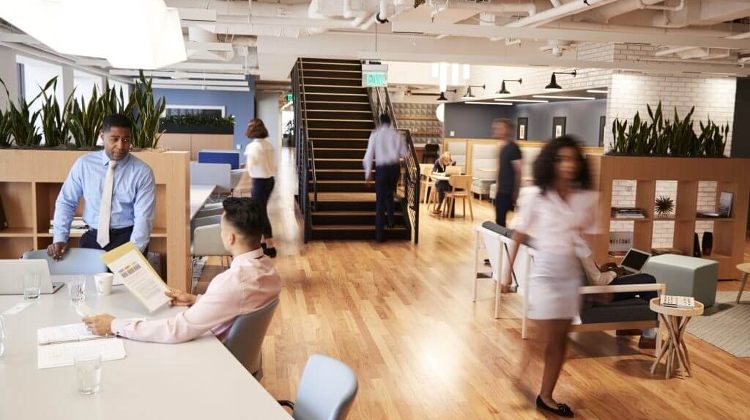
Artificial intelligence is reshaping the workplace at speed, bringing both opportunity and uncertainty. In this climate, the smartest investment may not just be new technology — but an office designed and managed to evolve over time.
The Workplace as a Strategic Asset
The World Economic Forum predicts that AI and automation will transform 86 per cent of businesses by 2030. Roles will shift, workflows will change and space requirements will move with them.
Yet while companies regularly upgrade technology and upskill their people, office space is still often treated as a fixed, depreciating asset, Gensler notes. For facility managers, this mindset must change. The workplace is no longer simply something to maintain efficiently — it is a strategic asset that should improve in performance and value over time.
Future-ready workplaces are those that can flex as the business evolves, without constant costly refurbishments.
Build in Flexibility Where It Matters
Adaptability is essential — but it must be targeted. Open-plan work areas, collaboration zones and project spaces are more likely to change than executive suites or formal boardrooms. Modular layouts, movable furniture and demountable partitions allow facilities teams to reconfigure these high-change areas quickly and cost-effectively.
Modern solutions — from raised floors that simplify cabling upgrades to furniture systems that convert offices into team rooms within hours — reduce disruption and extend the lifecycle of the space.
Let Data Drive Decisions
Today’s workplace generates valuable operational data. Beyond badge swipes, insights can come from room bookings, occupancy levels, energy use and even catering demand.
By connecting these data points, facility managers can see which spaces are underused, where demand is rising and how building systems are performing. This enables smarter space planning, more efficient energy management and better forecasting of daily occupancy.
The workplace becomes measurable — and therefore continuously optimised.
Adopt an “Always-in-Beta” Mindset
The most resilient organisations accept that the workplace is never finished.
An “always-in-beta” approach means monitoring performance, testing new layouts and refining spaces as workforce needs evolve. For facilities teams, this shifts the role from reactive maintenance to proactive improvement.
The reward is significant: lower lifecycle costs, improved sustainability performance and a workplace that stays relevant as business models and technologies change.
In the age of AI, the most valuable offices will not be the newest — but the ones that know how to adapt.
More:
B+N Hungary
*********************************************************************************************
You're very welcome to comment, discuss and enjoy more stories via our Facebook page:
Facebook.com/XpatLoopNews + via XpatLoop’s groups: Budapest Expats / Expats Hungary
You can subscribe to our newsletter here: XpatLoop.com/Newsletters
Showcase Your Business to Expats in the Loop:
As an independent portal we’re grateful to all commercial supporters who help keep you in the loop with fresh insights and inspiration. Do you want your business to reach tens of thousands of potential high-value expat customers? If so please contact us here.


LATEST NEWS IN specials