














VAT to be Cut on Prescription Drugs in Hungary to 0%
- 5 Aug 2026 10:50 AM
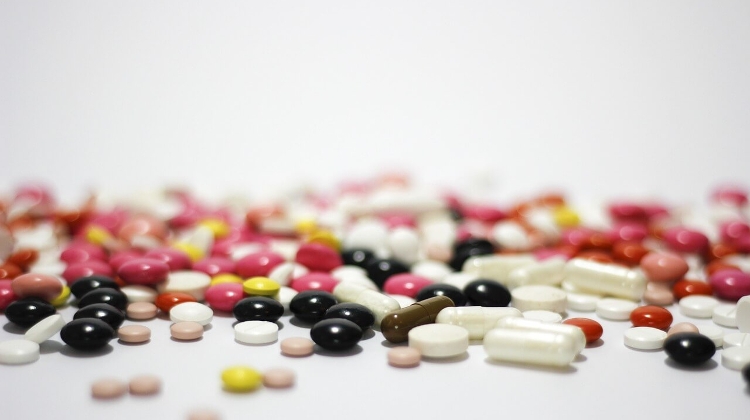
The Hungarian government has announced a policy shift aimed at easing out-of-pocket healthcare expenses for residents across the country: value-added tax (VAT) on prescription medicines will be scrapped entirely starting September 1.
Until now, prescription pharmaceuticals in Hungary have been taxed at the reduced 5% VAT bracket — compared to the standard 27% national rate.
Eliminating the tax entirely is designed to make essential therapies more affordable for households, particularly elderly residents, low-income families, and patients managing long-term chronic conditions.
Govt submits bill eliminating VAT on prescription meds
The government has submitted a bill to lawmakers that would reduce the VAT rate on prescription medicines from 5pc to zero.
If approved, the measure would enter force on September 1.
Prime Minister Peter Magyar announced the cut late in July. It is expected to reduce budget revenue by an annual HUF 7bn, and HUF 2bn in 2026.
Health Impact: Alleviating Household Strain for Chronic Care
In Hungary, out-of-pocket health spending remains notably above the European Union average, with pharmaceutical purchases consistently making up the largest single share of patient healthcare expenditures.
For individuals suffering from chronic non-communicable diseases — such as cardiovascular disorders, hypertension, diabetes, and oncological conditions — monthly medication costs present a continuous financial burden.
Public health experts and healthcare advocates note that medication non-adherence — where patients skip doses, split pills, or leave prescriptions unfilled due to cost—is a primary contributor to preventable hospitalizations and complications. Lowering end-user prices by removing the 5% VAT is expected to improve medication compliance, leading to better long-term health outcomes for high-risk patient groups.
Fiscal Impact: A HUF 7 Billion Impact on the Central Budget
While the tax cut directly benefits consumers at the pharmacy counter, it also carries a tangible fiscal footprint. The Ministry of Finance estimates that eliminating the VAT on prescription drugs will result in a HUF 7 billion (approx. $22 million) revenue loss to the central state budget.
Government representatives acknowledged the fiscal cost but emphasized that the revenue shortfall is a worthwhile trade-off to protect household budgets against broader inflationary pressures.
Officials noted that while additional proposed measures — such as potential VAT adjustments on heating wood and basic foodstuffs — will carry significantly larger budgetary impacts, the HUF 7 billion prescription relief can be comfortably absorbed within the current fiscal framework.
Photo: Pixabay
Source: MTI – Hungary’s national news agency since 1881.
*********************************************************************************************
You're very welcome to comment, discuss and enjoy more stories via our Facebook page:
Facebook.com/XpatLoopNews + via XpatLoop’s groups: Budapest Expats / Expats Hungary
You can subscribe to our newsletter here: XpatLoop.com/Newsletters

LATEST NEWS IN health & wellness