
















Guide To Hungary's 'Night Of The Museums', 23 June
- 22 Jun 2018 12:49 PM

This will be the 16th year when the doors of the museums open at night, when around half a million revellers have a bewildering choice of almost one thousand events.
For almost a generation now, the night of June 23 is no longer just the celebration of the summer solstice, the eve of midsummer night, which Shakespeare filled with a spell-binding love story in A Midsummer Night’s Dream.
The events of the Night of the Museums have a number of continuing and nascent traditions. One of them is that every year the State Secretariat for Culture chooses a central topic and a featured city.
This year’s central topic is linked to the Year of the Families. What binds us: Family and Culture – the title is meant to evoke a wide range of values, secrets awaiting discovery and to inspire the participating institutions.
From a historical perspective, every museum has one or more prominent families around whose role and importance the museum itself revolves.
On the other hand, the family is a unit that a museum can address: grandparents will teach their grandchildren, parents their children to not only look but also see.
This year’s featured city is Pécs, the very one that was the European Capital of Culture. In much the same way as during that year the whole Europe could see the effervescence of the city, it can now again become the focus of attention with a multitude of colourful events.
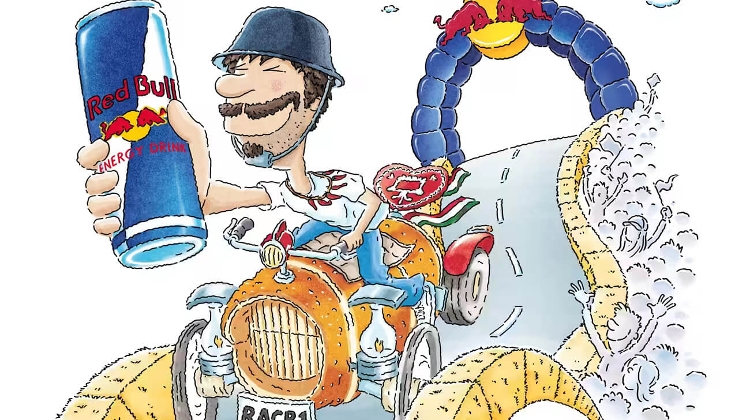
Every year the event also has a face: this year it is that of musician Gergő Oláh, who has been embroiled in a series of museum adventures over the past two months.
The movie of his adventures is available on https://www.facebook.com/muzeumokejszakaja/.
Dear museum-goers! National and local public transport will continue to assist you this year in facilitating your travels to the various locations: the chartered routes and special discounts are on our the event’s homepage.
On behalf of all the staff of the participating institutions I trust we will enjoy together the wonders of this special night and the community-building powers of family and culture. - Péter Fekete - State Minister for Culture:
Where can I buy tickets?
In Budapest, you can purchase armbands for the Night of Museums in participating museums, as well as in ticket offices of our cooperating partner, BKK (Budapest Transport Centre).
Outside Budapest you can purchase tickets in the museums. You can buy tickets online at www.jegymester.hu
How much do the tickets cost?
In Budapest, the adult armband costs 1700 HUF, the children armband (valid for children between the age of 6 and 18) costs 800 HUF. Under the age of 6, the entrance is free.
What does the armband entitle you to?
The armband allows access to all the programmes of the participating museums and other cultural institutions and entitles you to visit the permanent and temporary exhibitions as well. In addition, visitors with an armband can use the Museum buses.
What kind of discounts are available during the time of the event?
During this evening, apart from the discounts of disabled people, other discounts are not available.
NIght of the Museums 2018: Focus on Pécs
List of participating museums
Ride a bike or get into an electric car



LATEST NEWS IN community & culture