

















Insider's Guide: Healthcare in Hungary
- 2 Jun 2026 7:00 AM

Moving to a new country comes with plenty of exciting discoveries — but figuring out how healthcare works usually isn’t one of them. Between unfamiliar paperwork, new terminology and trying to understand where to go when something actually goes wrong, the Hungarian system can initially feel confusing for many expats.
The good news is that once you understand the basics, healthcare in Hungary becomes far easier to navigate. Whether you’ve just arrived in Budapest or have been living here for years, knowing how the public and private systems work can save a lot of stress — and often a lot of time too.
Public vs. Private Healthcare in Hungary
Hungary operates a two-tier healthcare system. Public healthcare is funded through the National Health Insurance Fund, known locally as NEAK, while a growing private healthcare sector offers faster appointments and a more international-style patient experience.
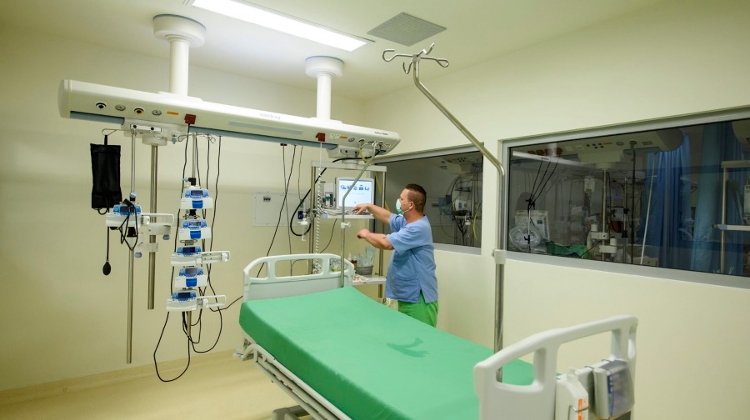
The public system includes highly trained doctors and specialists, many of whom are internationally respected. However, waiting times for non-urgent procedures can sometimes be lengthy, and facilities vary considerably depending on location and department.
This is why many expats living in Hungary choose to combine public coverage with private healthcare access. Private clinics such as FirstMed, Rózsakert Medical Center and Dr. Rose Private Hospital are particularly popular among the international community thanks to their English-speaking staff, modern facilities and relatively quick appointment availability.
Understanding the TAJ Card
The most important piece of healthcare administration in Hungary is the TAJ card — officially called the Társadalombiztosítási Azonosító Jel. This acts as your social security and public healthcare identification number.
If you work legally for a Hungarian employer, your healthcare contributions are usually handled automatically through payroll. Freelancers, entrepreneurs and some students, however, may need to arrange contributions independently.
Applying for a TAJ number generally requires your passport, residence permit and Hungarian address card (lakcímkártya). Applications are typically handled through a Government Window office, known as a Kormányablak, or directly through NEAK.
Once active, the TAJ card gives access to public healthcare services including GP visits, hospital treatment and subsidised prescription medication.
Your First Stop: The Family Doctor
In Hungary’s public healthcare system, the family doctor — known as a háziorvos — is usually your first point of contact for medical issues.
GPs are assigned according to your registered residential address, and they play an important gatekeeping role in the system. For many specialist appointments, such as cardiology or dermatology, you will first need a referral called a beutaló from your GP.
There are some exceptions. In many cases, specialties such as gynaecology, ophthalmology and urology can be accessed directly without a referral, although rules may differ between districts and clinics.
Pharmacies Are Easy to Find
Hungarian pharmacies are easy to recognise thanks to the illuminated green cross displayed outside most locations. Many medications that would be openly available elsewhere are kept behind the counter here, so don’t hesitate to ask the pharmacist directly.
The system is now largely digital. If you have a TAJ number, prescriptions are usually stored electronically, allowing pharmacists to access them simply by scanning your ID or TAJ card.
If you need medication outside regular opening hours, every district operates a designated duty pharmacy — called an Ügyeletes Gyógyszertár — which remains open overnight or on weekends. Information about the nearest open pharmacy is usually posted on the doors of closed pharmacies.
What Happens in an Emergency?
In emergencies, healthcare access is prioritised regardless of insurance status. Emergency care is legally guaranteed in Hungary.
The general emergency number is 112, while ambulances can also be reached directly by dialling 104. English-speaking operators are often available, particularly in Budapest.
If you need to visit a hospital emergency department yourself, look for the sign SBO, which stands for Sürgősségi Betegellátó Osztály.
Important Things Expats Should Know
One important cultural change in recent years concerns gratuity payments to medical staff, once commonly known as “parasolvency.” Offering cash to doctors or healthcare workers within the public system is now illegal.
Non-EU residents should also be aware that proof of valid health insurance is generally required for residency applications. Those who are not yet eligible for a TAJ card typically need comprehensive private coverage instead.
Meanwhile, EU citizens visiting or temporarily staying in Hungary should always carry their European Health Insurance Card (EHIC), which allows access to medically necessary public treatment under the same conditions as local residents.
For many expats, healthcare is one of the first systems they worry about when moving abroad. Fortunately, Hungary offers a combination of strong medical expertise, growing private healthcare options and increasingly modernised services that make day-to-day healthcare management far more straightforward once you know how the system works.
Stay Healthy! For a directory of English-speaking clinics and medical professionals, visit the XpatLoop Health & Wellness Directory.



LATEST NEWS IN health & wellness