




















Hungarian Currency Celebrates 80 Years - Surprising Origins of the Forint
- 10 Aug 2026 9:55 AM

The name of Hungary's official currency was born in the aftermath of one of history's most devastating episodes of hyperinflation.
The modern forint was introduced on 1 August 1946, but the story behind its name goes back more than 600 years.
The original inspiration was the florin, a gold coin first minted in Florence in the 13th century. Known in Italian as the fiorino d'oro, it was named after the city and featured a fleur-de-lis, the emblem of Florence.
The coin quickly gained a reputation for its reliability and high gold content, becoming an important currency for trade across Europe.
Hungary was among the countries influenced by the success of the Florentine florin. During the reign of King Charles I (Károly Róbert) in the 14th century, Hungary began issuing its own high-quality gold coins modelled on the Florentine currency.
They were known as florentinus, a name that eventually evolved into forint in Hungarian.
The name disappeared from everyday use as Hungary's monetary system changed over the centuries, but it was eventually brought back in dramatic circumstances.
By 1946, Hungary's pengő had been destroyed by hyperinflation following World War II. The situation was so extreme that Hungary experienced what is widely regarded as the worst episode of hyperinflation ever recorded.
Prices in Hungary were increasing at an extraordinary rate and the pengő was rapidly losing its value. At the height of that crisis, prices doubled every 11 to 15 hours, meaning that the value of Hungarian money halved several times each day.
So on 1 August 1946, the forint was introduced to restore confidence in Hungary's currency and bring monetary stability back to the country.
The choice of name was therefore more than a practical decision. The new currency revived a name with deep roots in Hungarian history, one that itself traced its origins to the celebrated gold coins of Renaissance-era Florence.
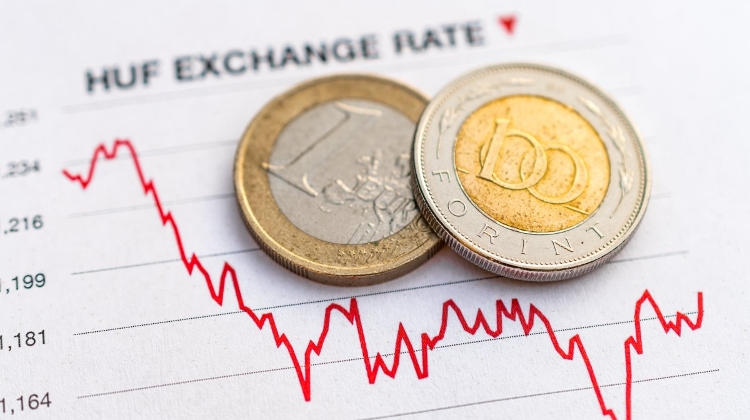
Today, the forint remains Hungary's currency, identified internationally by the code HUF and commonly abbreviated as Ft. Whether and when Hungary will adopt the euro remains a subject of debate across society.
Until then, the forint - with its centuries-old name and 80-year history as Hungary’s modern currency - remains firmly part of everyday life.
MTI Stock Photo
*********************************************************************************************
You're very welcome to comment, discuss and enjoy more stories via our Facebook page:
Facebook.com/XpatLoopNews + via XpatLoop’s groups: Budapest Expats / Expats Hungary
You can subscribe to our newsletter here: XpatLoop.com/Newsletters



LATEST NEWS IN finance