











Surprising Expats: Vincent Baumgartner - Photographer, Photographic Storyteller
- 10 Feb 2026 3:42 PM
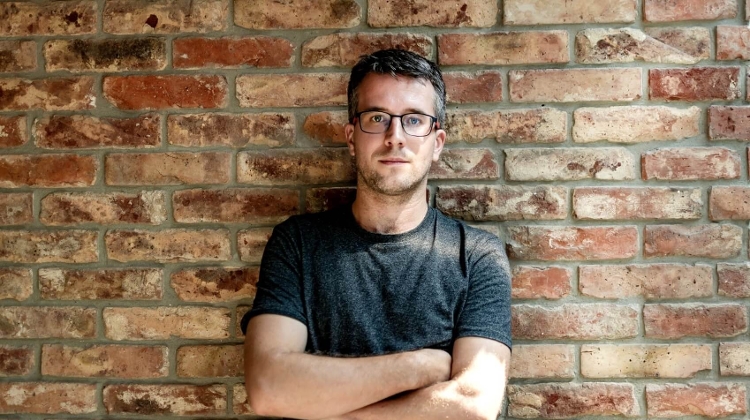
This is part of a series of in-depth interviews with some of the most surprising members of the expat community in Hungary, written by Marion Merrick.
Few would dispute the fact that Budapest is one of the most beautiful capital cities of the world. With its stunning position on the banks of the Danube and its majestic architecture, it comes as no surprise to see bookshops and tourist kiosks awash with glossy publications illustrating the city’s splendour, ready to entice anyone as yet unfamiliar with the beauties of this city, to visit.
It might thus seem that a new photographic album of Budapest’s buildings would be superfluous. Not so. Vincent Baumgartner’s beautiful publication Buildings Tell Tales is unique.
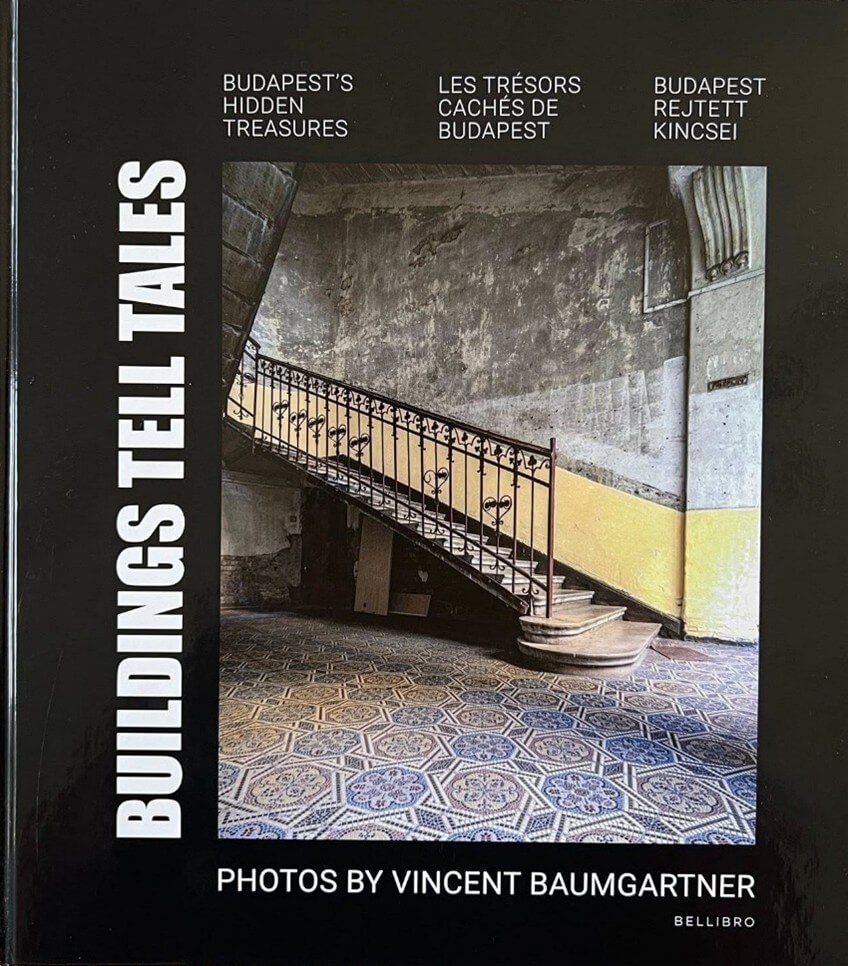
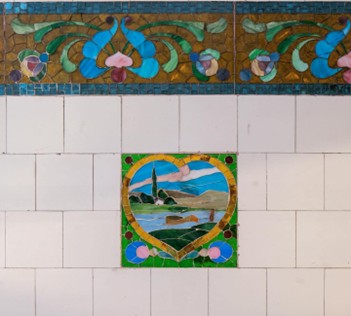
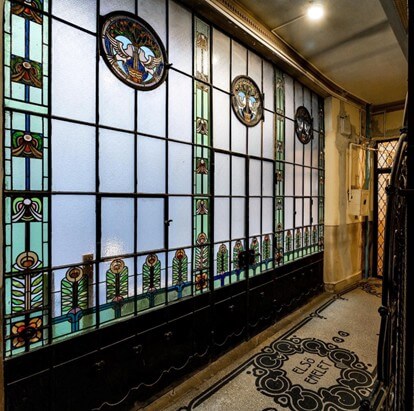
Vincent’s volume is not for the tourist, for the visitor intent on seeing such iconic landmarks as Parliament, St. Stephen’s Basilica or the Opera House. This is an insider’s view for those curious about buildings standing, perhaps, on their own street corners – a building which caught their attention by reason of a stained glass window, a hint of a decorated facade or a mysterious courtyard glimpsed through a doorway.
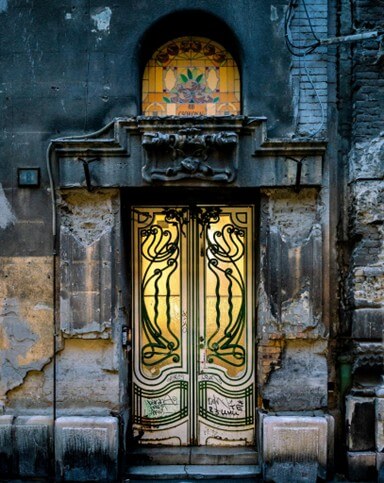
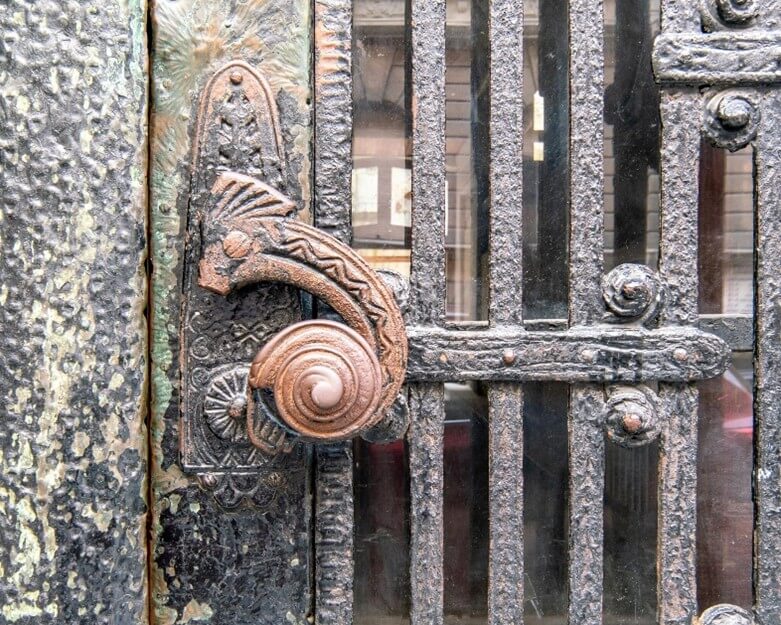
“I would say that right from the beginning, this was something I really liked in Hungary, and maybe more broadly in Central Europe. In these old buildings you still have many of the old details which tell you a lot about what they used to be like – small anecdotes about the building’s past. My original interest really was architectural. Details such as the old bricks with inscriptions carved into them, or the stairs where you could see that tens of thousands of feet had worn them away – and naturally I became interested in the people who walked on them.”
Vincent Baumgartner was born to a Swiss father and a Hungarian mother in Bienne, Switzerland. Throughout his childhood, and later, during his studies in Librarianship and as an Archivist, he became increasingly fascinated by his mother’s home country.
“When I turned 19, I got my high school degree, and I decided to come and spend one year at the Balassi Institute. I really enjoyed that year, so I decided to stay for longer and I applied to the University in Szombathely to do International Relations. And then, since I got very good grades in my first year, I transferred for three years to ELTE. After finishing at ELTE, I thought that it would be good to go back to Switzerland or even to another country to get my Masters. So I applied to many different countries. I got accepted in Sweden, in the Netherlands and also in Geneva, to one of my top-choice universities. So I went back to Geneva and I studied two more years of International Development.
“It would have been more logical to stay there because all the international organisations are there. But I started to feel more and more homesick for Hungary and so I decided to come back to Hungary in 2018, and since then I'm here.”
As his fascination with old buildings grew, it was perhaps inevitable that he would be drawn to Hungary where so many vestiges of its history can still be found. “In Switzerland we have many beautiful historical buildings, but they are all very well restored, and when small details are erased, elements from the past disappear.
“I was always very interested in local history. I used to live for more than a year in the Castle District. And I remember printing old photos and checking how things looked before the Second World War, and how they look now, just to check with my photos. When I came back in 2018 I decided to do it more systematically because the city is changing a lot. There are many renovations and everything. And I mean, on the one hand it's good, but on the other hand, you start to lose what makes Budapest special, in my opinion. Then I decided, since I cannot stop this process, at least I can start documenting the side of Budapest which I like.”
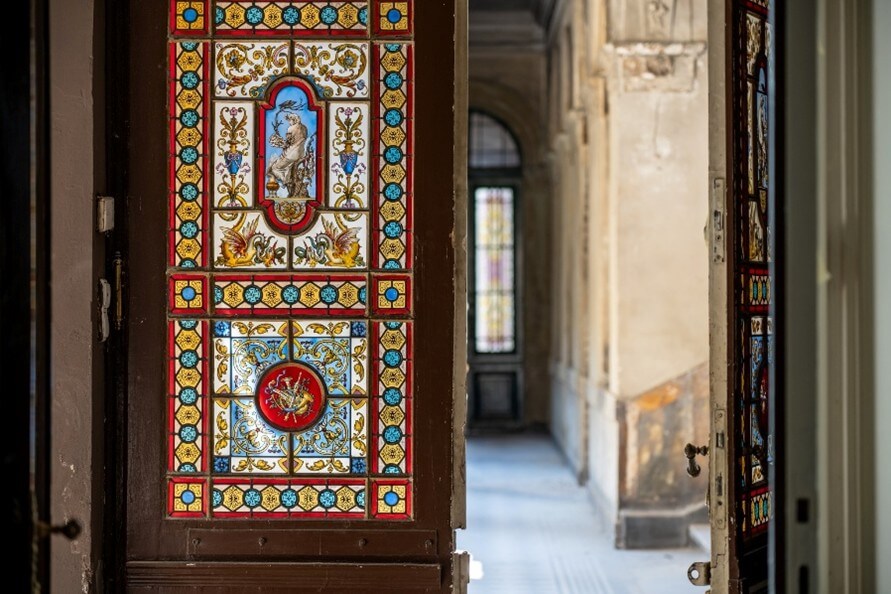
A quick perusal of Vincent’s webpage shows a highly systematic documentation of the buildings and architectural features he has examined and researched, laid out in districts. Listed separately are photographs of details such as bullet holes, statues or inscriptions, while another page presents historical graffiti he has found.
It is usually the building itself that catches Vincent’s eye, leading to the decision to begin research into its history. “My very first job as an archivist and library documentarist, helps me,” Vincent explains. “I subscribe to Arcanum. It's an online Hungarian database where you have tens of thousands of periodicals which are digitalized. So, first I use old maps to check if the the old address and the street numbering have changed, and then when I'm sure of the exact address both now and in the past, I can use this to look for all the articles about the building in newspapers or magazines.”
One practicality facing anyone bent on accessing buildings in the city is the fact of their gates being closed. Pre-1989, gates were open until 10pm when the resident caretakers would lock them for the night. It was possible to walk into any courtyard in the city whether to admire its architecture, a fountain or statue, flower beds and even grapevines, or merely to look for the back (servants’) staircase. Vincent recalls his mother telling him how gypsies would come and sing in courtyards when she was a child in Budapest, while today many flats are let through Air BnB, and people no longer know their neighbours.
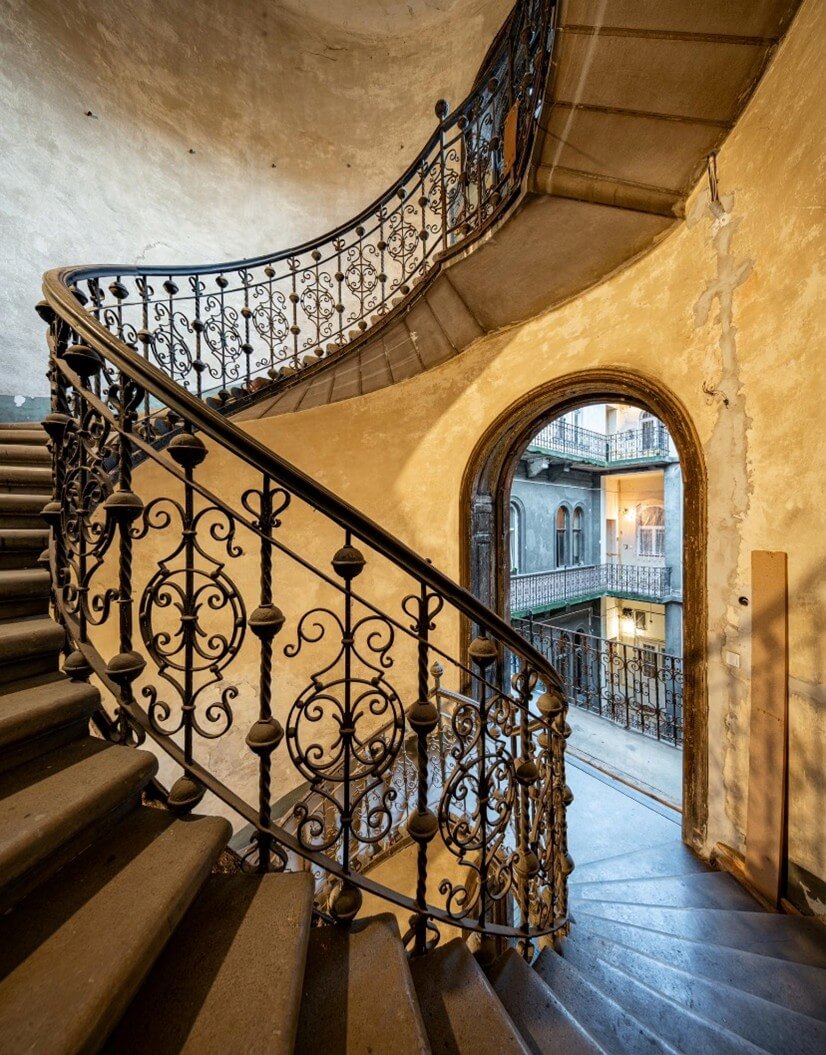
“At the start, I was just sneaking in,” says Vincent. “Friends were giving me the codes to their houses. But after a while, when some articles were published about my project and I started to gain some credibility, I was given access by the local authorities. So either they give me the codes directly to those houses which are owned by the Önkormányzat [local council] in the district, or they put me in touch with the building’s Management. If they send me the code I can go whenever I want.
“It's always difficult to find the time. In some ways it's easier in summer because I can go before work. The light is already good at six in the morning. Research is quite time consuming and I don't have that much time nowadays.”
In spite of one or two unfriendly responses to Vincent’s presence in their buildings – such as the man who threatened to call the police – most people seem taken with the fact that Vincent is interested in their homes. “Many people were really kind, telling me anecdotes about the house and their memories. A few times they showed me their flats, and once I got a very nice email from the building manager telling me that actually he already has my book and he really enjoyed it, and he's more than happy to help!”
An experience Vincent doubtless shares with others who have come to the seemingly illogical decision to stay in Budapest, is the incredulity of Hungarians bent on leaving.
“I could have imagined maybe going back for a while to Switzerland to earn money because maybe professionally and financially it would have been a better choice. I really like Switzerland. I miss my parents and my family, but Switzerland itself? Not really. I like the fact that there are so many small jobs and small services here which have disappeared in Switzerland. I think that especially in Budapest, people are very aware of the value of architecture and of local history.”
Vincent’s future plans include more exploration of the Hungarian countryside including its towns and villages. Meanwhile, he is busily engaged in organising exhibitions of his photographs, and opening up new districts of the capital to his photographic research project.

Links:
Marion Merrick is author of Now You See It, Now You Don’t and House of Cards and the website Budapest Retro.
If you would like to be interviewed as a Surprising Expat, please write with a few details of what you do, to: Marion by clicking here.