















Firms Increasingly Cautious About Hiring Foreign Workers in Hungary
- 27 Apr 2026 12:41 PM

Recent analysis from Gi Group Holding suggests that despite a climate of economic uncertainty, the hunt for Hungarian workers is set to become even more competitive. This shift comes as businesses adopt a more cautious stance regarding the recruitment of third-country nationals.
A Gradual Shift in Employment Data
The impact of recent economic stagnation is now surfacing in official labor statistics. Hungary’s unemployment rate has climbed to nearly 5%, a figure not recorded in almost a decade. Over the last year, the total number of employed individuals has decreased by approximately 60,000 to 70,000.
Experts note that this decline has been gradual because many firms initially resisted layoffs. Gergely Gáspár, an expert at Gi Group Holding, explains that companies prioritize employee retention because they remember the struggle of finding qualified staff during previous economic upturns. Many chose to "wait out" the downturn before finally resorting to headcount reductions.
Regional Disparities: The Debrecen Effect
The labor market is far from uniform across Hungary. Demand remains exceptionally high in areas benefiting from major industrial projects.
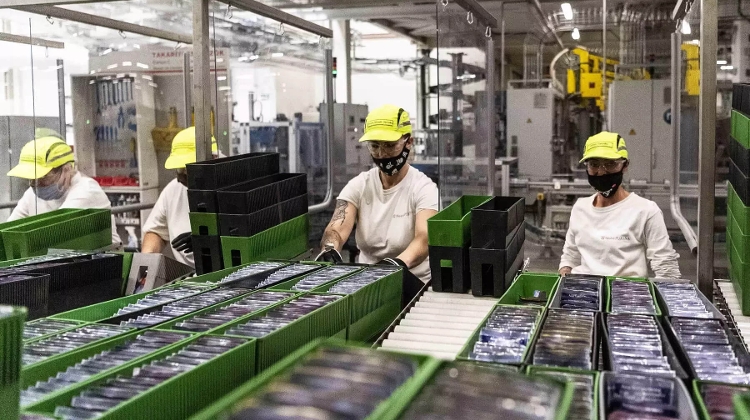
The Automotive & Battery Sector: In regions like Debrecen, the arrival of massive manufacturing plants and their subsequent supply chains has created a localized "war for talent."
Concentrated Demand: While some parts of the country see a slowdown, these industrial hubs continue to face significant labor shortages.
Re-evaluating Foreign Labor
While hiring staff from outside the EU has been a vital tool for the manufacturing and logistics sectors in recent years, several factors are cooling this trend:
Lead Times: Recruiting and onboarding foreign workers typically takes several months, which is difficult to manage when orders and economic forecasts are unpredictable.
Regulatory Environment: With approximately 85,000 third-country nationals and 20,000 EU workers currently in the country, the incoming Tisza government is expected to introduce stricter, clearer conditions for foreign employment.
Strategic Weighing: Companies are now more carefully balancing the immediate need for staff against the long-term logistical and regulatory hurdles of foreign recruitment.
New Strategies to Attract Domestic Talent
As firms pivot back toward the domestic workforce, they are expanding their recruitment zones and offering more robust incentives to encourage internal migration. Common "mobility packages" now include:
* Housing and relocation support
* Weekday accommodation for those commuting from distant regions.
* Travel subsidies.
Furthermore, businesses are looking toward previously underutilized demographics. There is a growing focus on student employment, reskilling programs for career changers, and creating opportunities for workers with reduced physical or mental capacities.
The Future of Recruitment
The methodology for finding talent is also modernizing. Beyond traditional job boards, companies are increasingly utilizing data-driven, multichannel digital solutions to reach a wider audience.
Gi Group Holding predicts that the market will remain highly fragmented; while national demand might appear moderate, the pressure to find and keep the right workers in specific industries and regions will remain intense.
MTI Stock Photo
*********************************************************************************************
You're very welcome to comment, discuss and enjoy more stories via our Facebook page:
Facebook.com/XpatLoopNews + via XpatLoop’s groups: Budapest Expats / Expats Hungary
You can subscribe to our newsletter here: XpatLoop.com/Newsletters
Showcase Your Business to Expats in the Loop:
As an independent portal we’re grateful to all commercial supporters who help keep you in the loop with fresh insights and inspiration. Do you want your business to reach tens of thousands of potential high-value expat customers? If so please contact us here.



LATEST NEWS IN business