











E-Charging Infrastructure Grows, But Demand Drops

  • 3 Sep 2021 1:27 PM
  • Hungary Around the Clock
E-Charging Infrastructure Grows, But Demand Drops
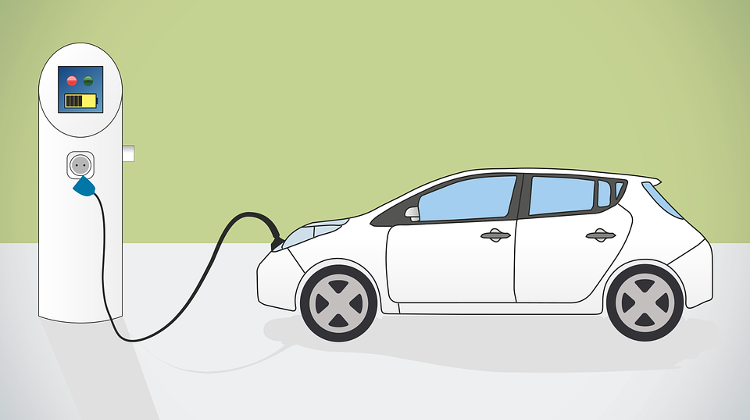
The number of electric chargers for cars increased by 58% year-on-year to 1,471 in the first quarter, energy regulator MEKH said on Thursday in its electromobility report.

As public electric charging equipment can also be operated with a licence issued by MEKH, the actual figure could be higher.

Despite the massive rise in public infrastructure, energy use has dropped.

Use of alternating current (AC) energy for charging decreased by 16% and use of direct current (DC) by 18%.

Service providers sell most of their electricity on alternating current equipment in Budapest, followed by Pest and Fejér counties.

Nearly two-thirds of all public electric vehicle chargers were located in the Central Hungary region, followed by Central and Western Transdanubia.

The fewest e-chargers operated in northern Hungary.

  • How does this content make you feel?

XpatLoop Media Partner

Hungary Around the Clock

Since 1995 Hungary Around the Clock has proven to be one of the most comprehensive sources of daily English-language news about Hungary. It covers ongoing domestic politics and foreign relations, as well as business and economic matters. For a free trial of HATC visit www.hatc.hu and click on 'Free Trial Subscription’.

Explore More Reports

  • Record Electric Bus Expansion in Budapest Gets Green Light

    Record Electric Bus Expansion in Budapest Gets Green Light

    • 20 Jul 2026 11:41 AM

    Budapest is preparing for its largest-ever electric bus expansion, aiming to introduce at least 250 new electric buses along with the necessary charging infrastructure, Gergely Karácsony, the city's mayor said.

  • EV Charging Network in Hungary Upgraded with Smarter System

    EV Charging Network in Hungary Upgraded with Smarter System

    • 11 Aug 2025 10:26 AM

    E.ON Drive Infrastructure (EDRI), which operates more than 400 electric vehicle charging points in Hungary, has rolled out a significant update to its network. The changes include a refreshed visual design, clearer connector labels, a new backend system, and the introduction of simpler payment methods — including QR code and bank card payments without prior registration.