


















All Saints' Day Holiday in Hungary on 1 November
- 27 Oct 2025 5:01 AM
Observed annually on November 1st in many Roman Catholic, Anglican, and Protestant countries, it is also known as All Hallows’ Day or All Hallows’ Tide. On this public holiday in Hungary, most shops and public offices are closed.
All Saints’ Day is a Christian celebration honoring all saints, particularly those who do not have a dedicated feast day of their own.
The holiday dates back to the 8th century, when Pope Gregory III established All Saints’ Day on November 1. His intention was to honor not only martyrs but also all canonized saints who did not have individual feast days, creating a collective celebration of “hallowed souls.”
Hungarian Traditions on All Saints’ Day
In Hungary, All Saints’ Day has historically combined religious observance with practical and economic traditions. In rural areas, this was the day when servants, maids, and shepherds were often hired for the winter months, sometimes at what was called a “servant fair.”
Traditionally, all work was forbidden on November 1, as it was believed that performing daily tasks could disturb the dead. Activities such as ploughing, planting, sewing, cleaning, or washing were avoided out of respect.
Folk customs held that on the night between All Saints’ Day and All Souls’ Day, the souls of the deceased would attend Mass and then visit the homes of their loved ones. Families would leave an extra plate at the table, along with bread, salt, and water, as offerings. In Székely Land, a special loaf known as “God’s pie” or “bread of the dead” was baked.
Charitable acts were also part of the tradition: bread, honey-coated scones, and other food were given to the poor or left at cemetery gates, symbolically extending blessings to the souls of the departed.
All Souls’ Day: 2 November
Observed on November 2nd, the day after All Saints’ Day, All Souls’ Day is dedicated to remembering all deceased believers. In Hungary, this day has gradually evolved into a broader memorial for loved ones, beyond church affiliation.
Many traditional prohibitions began on All Souls’ Day and could last through Christmas, aiming to avoid disturbing the dead. Washing was avoided, for fear that spirits might be trapped in water, and clothes could turn yellow. Whitewashing and digging were also avoided, while sewing was strictly prohibited, as each stitch was thought to symbolically wound the dead.
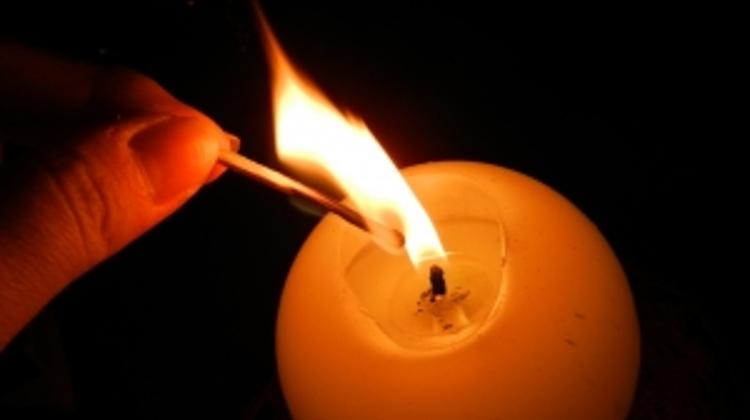
Graves are cleaned, repaired, and decorated with flowers, wreaths, candles, and lanterns. Families light multiple candles to honor their deceased relatives, believing that the flames either warm the souls or guide those who have been freed that day back to their resting places.
To remember loved ones buried abroad or in unknown locations, bonfires are sometimes lit, and bells are tolled continuously. There is a longstanding belief that as long as the bells toll, the deceased remain at home. Some households even leave a lamp burning overnight so visiting spirits can find their way.
Source:
Itshungarian.com
- republished with permission


LATEST NEWS IN community & culture