















Ultimate Expat Guide to Budapest - Part 5: Money in Hungary
- 25 Feb 2026 11:49 AM
By the time you’ve found your way from the airport, taken a scenic orientation ride on tram 2, and just about mastered how to say egészségedre, the next key practical point arises: managing your money in Hungary.
Hungary may sit at the heart of Europe, but it does not use the euro. For newcomers, that’s the first of several small surprises.
So here’s what fresh expats here need to know in seven user-friendly section, plus an extra part at the end quickly covering FAQs.
What Is the Hungarian Currency exactly?
Hungary uses the forint, abbreviated to HUF for say currency exchange, and written as Ft after prices.
So locally you’ll see prices displayed like this:
* 4 500 Ft and 12 990 Ft and say 399 Ft.
There are no decimal points in everyday use because forint coins no longer come in fillér subdivisions. What you see is what you pay.
The exchange rate fluctuates, but HUF is generally weaker than the euro or pound sterling, meaning expats and tourist visitors usually find Hungary pretty affordable - though both expats and local residents noticed rising prices in recent years.
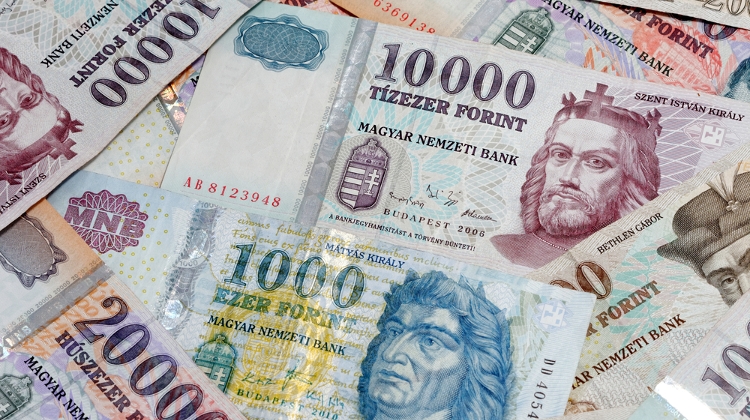
Hungarian Banknotes & Coins Explained
Banknotes currently in circulation:
* 500 Ft * 1,000 Ft * 2,000 Ft * 5,000 Ft * 10,000 Ft * 20,000 Ft.
Coins include:
* 5 Ft * 10 Ft * 20 Ft * 50 Ft * 100 Ft * 200 Ft.
Note that the 200 Ft exists only as a coin - the banknote was withdrawn years ago.
Bank notes feature key figures from Hungarian history, which can make everyday transactions feel like a pocket-sized history lesson.
One practical detail: Hungary rounds totals to the nearest 5 forints only when paying in cash. Card payments are charged to the exact amount.
How Easily Can You Pay by Card in Hungary?
In short, in Budapest very easily. Card payment is now standard in:
* Supermarkets * Restaurants and cafés * Taxis * Pharmacies * Even many market stalls.
Contactless payment is widespread, and Apple Pay and Google Pay are commonly accepted.
Outside Budapest, card use is still common, though in smaller villages it’s wise to carry some cash.
Note:s ince 2021, businesses in Hungary are legally required to provide an electronic payment option - one reason why bank card use has become so widespread.
Where Is Best to Exchange Money in Hungary?
If you’re arriving with euros or pounds, you have options — but some are better than others.
Obviously avoid exchanging money at the airport unless absolutely necessary; rates there are never favourable.
In Budapest, exchange offices in the city centre often offer competitive rates. Always check:
* The displayed buy/sell rate,
* Whether commission is included,
* The final amount before handing over cash.
ATMs are widely available and usually provide a fair interbank rate. However, when prompted, decline “dynamic currency conversion” and choose to be charged in forints, not your home currency, to avoid poor exchange rates.
How Expensive Is Hungary Compared to Other Countries?
Hungary remains cheaper than much of Western Europe, though prices — especially in Budapest — have risen significantly.
As a rough guide, at time of publishing:
* A coffee in central Budapest: 600–1,000 Ft,
* A main course in a mid-range restaurant: 4,000–7,000 Ft,
* Monthly public transport pass in Budapest: good value by European standards,
* Rent: still lower than many EU capitals, but climbing.
Compared to Vienna, Munich or Paris, everyday living costs are lower. Compared to neighbouring countries such as Slovakia or Romania, prices may feel similar or slightly higher in the capital.
Inflation has been a major issue in recent years, something long-term expats and local residents are very aware of unfort.
Tipping Etiquette in Hungary
Tipping is customary, but not excessive.
* Restaurants: 10% is standard if service is not already included. Many places now add a 12–15% service charge automatically — check the bill before adding extra.
* Bars: Rounding up or leaving small change is normal.
* Taxis: Round up to the nearest 100 or 500 forints.
* Hairdressers and other services: 5–10% is typical.
If paying by card, you’ll often be asked to enter the tip amount on the terminal before tapping.
Practical Tips for Managing Your Money in Hungary
* Get used to large numbers. 10,000 Ft sounds dramatic but may simply cover dinner for two.
* Always double-check whether service charge is included.
* Keep small coins handy for public toilets and small purchases.
* When withdrawing cash, avoid standalone private ATMs with high fees.
* If transferring money internationally, compare bank rates with specialist transfer services.
* Remember that cash rounding applies only to physical payments.
A final cultural note: Hungarians are precise with money. Bills are itemised carefully, and queues move quickly — hesitation at the till is noticed.
Hungarian Currency FAQs
Is Hungary planning to adopt the euro? There is currently no confirmed target date.
Can I pay in euros in Budapest? Some hotels and tourist-focused businesses may accept euros, but the rate is usually unfavourable. Pay in forints.
Are bank transfers common? Yes. Hungarians frequently use bank transfers for rent and bills.
Is it safe to carry cash? Budapest is generally safe, but as in any major city, exercise normal precautions.
Do I need cash for public transport? Not usually. Tickets and passes can be purchased by card at machines and via apps.
*********************************************************************************************
You're very welcome to comment, discuss and enjoy more stories via our Facebook page:
Facebook.com/XpatLoopNews + via XpatLoop’s groups: Budapest Expats / Expats Hungary
You can subscribe to our newsletter here: XpatLoop.com/Newsletters
Related links
Ultimate Expat Guide to Budapest: Part 1 - Why Budapest?
Ultimate Expat Guide to Budapest: Part 2 - Getting Here
Ultimate Expat Guide to Budapest: Part 3 - Getting Around
Ultimate Expat Guide to Budapest: Part 4 - Language & Customs
Ultimate Expat Guide to Budapest - Part 5: Money in Hungary
Ultimate Expat Guide to Budapest: Part 6 - Healthcare in Hungary





LATEST NEWS IN community & culture