














Budapest Ranked 3rd Best City in Europe for Digital Nomads
- 8 Apr 2026 9:21 AM
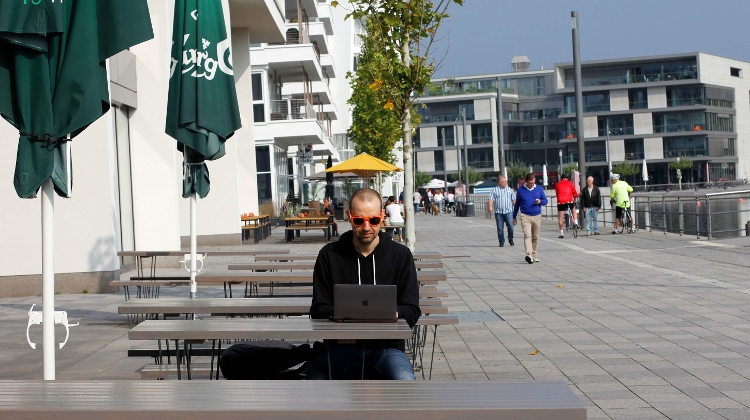
Budapest has secured a high-ranking spot on a new list of top destinations, though this time the recognition focuses on its practicality rather than its famous landmarks. A recent study evaluating the best European cities for digital nomads placed the Hungarian capital in third place overall.
Budapest trailed only Kraków and Warsaw, outperforming established hubs such as Prague, Tallinn, Madrid, and Lisbon. For remote workers deciding on a European base, or residents curious about the city’s standing, these results highlight the specific factors that make Budapest increasingly competitive.
The Criteria Behind the Ranking
The study assessed 35 popular destinations across the continent, focusing on the metrics that impact daily life for international professionals: cost of living, internet speed and pricing, the quality of public transport, and general safety.
The data suggests that Central and Eastern Europe currently provides the best balance of value and infrastructure. Cities in Western and Northern Europe, while popular, often struggle to compete with the combination of affordable housing, high-speed broadband, and reliable transit networks found further east.
Kraków led the rankings with an average monthly cost of approximately €1,423, followed by Warsaw. Budapest’s third-place finish was attributed to its favorable cost of living and the overall quality of its urban environment. For those living in the city, a comfortable lifestyle generally requires a monthly budget between €1,800 and €2,500.
Those focusing on a more modest budget can manage on €1,200 to €1,500. Regardless of the bracket, these figures remain significantly lower than those in Western European capitals. Budapest is now widely regarded as the most affordable capital city within the European Union.
A Breakdown of Local Expenses
The specific figures illustrate why Budapest remains so attractive to the international community. A monthly public transport pass currently costs under €30, representing some of the best value for transit in Europe.
Dining out remains accessible, with budget-friendly meals at sit-down restaurants typically ranging from €7 to €10, while a cappuccino is usually priced just over €2.
Housing costs also remain a major draw. A one-bedroom apartment in the city center averages around €600 per month, with studio options outside the central districts available at even lower rates.
For expats already living here, these rankings confirm what many have experienced firsthand: Budapest offers a high standard of infrastructure and connectivity at a price point that is becoming increasingly rare across the rest of the continent.
Connectivity is another area where the city excels. Budapest’s broadband speeds typically range between 100 and 300 Mbps, rivaling Scandinavian standards at a fraction of the cost—a vital detail for anyone relying on video conferencing or cloud-based platforms.
The local café culture is also notably accommodating to remote workers; establishments throughout the city, particularly in the 7th District, are famously laptop-friendly, allowing professionals to remain productive without necessarily committing to a coworking membership.
A Growing Coworking Ecosystem
For those who prefer a dedicated office environment, Budapest offers a well-established coworking scene that caters to various professional styles.
Kaptár, which operates multiple locations including a popular hub in the heart of the Jewish Quarter, remains one of the city's most respected spaces. Known for its bright, architecturally interesting interiors and strong community focus, monthly memberships here generally range from €70 to €150.
Impact Hub Budapest, part of a global network, provides a collaborative atmosphere in the 7th District with a focus on social enterprise and networking events.
Meanwhile, Loffice appeals to creative professionals by blending workspace with cultural exhibitions and art events across several design-conscious locations. For freelancers seeking a more intimate or quiet setting, smaller venues like Mosaik offer a more laid-back alternative to the larger hubs.
The Appeal of Daily Life in the Capital
Beyond the practicalities of work, Budapest offers a lifestyle that many find difficult to match. The city’s geography — split by the Danube into the historic, hilly Buda side and the energetic, flat Pest side—provides a unique backdrop for daily life. Passing the Chain Bridge, St. Stephen’s Basilica, or the Hungarian Parliament becomes part of a routine that feels consistently impressive.
The city’s thermal bath culture offers a restorative escape that is rare within the European Union. Facilities like the Széchenyi Baths in City Park or the Art Nouveau Gellért Baths on the Buda side are active parts of local life, rather than just tourist attractions.
When evening arrives, the ruin bar scene in the 7th District — typified by venues like Szimpla Kert — repurposes historic courtyards into some of the most distinctive nightlife spots on the continent.
Safety, Infrastructure, and Logistics
Safety remains a primary consideration for the international community, and Budapest performs well in this regard. As a large capital with a functional urban infrastructure, it offers reliable healthcare access, with private consultations typically costing between €20 and €40.
English is widely spoken, particularly in the central districts and among the younger workforce, making daily navigation straightforward for non-Hungarian speakers.
The city’s status as an EU capital provides further practical benefits, including Schengen zone access and a stable regulatory environment. While EU citizens benefit from seamless banking and legal frameworks, there are also remote work visa options available for non-EU nationals, making the city accessible to a global demographic of professionals.
Why the City Continues to Lead
Budapest’s third-place ranking reflects a rare balance that few other capitals have managed to strike. It provides a high-functioning urban environment, world-class architecture, and a sophisticated food and nightlife scene at a price point that remains highly competitive compared to Western Europe.
For those visiting for a short-term project or considering a more permanent move, the city’s combination of character and convenience makes it a compelling choice for an international base.
*********************************************************************************************
You're very welcome to comment, discuss and enjoy more stories via our Facebook page:
Facebook.com/XpatLoopNews + via XpatLoop’s groups: Budapest Expats / Expats Hungary
You can subscribe to our newsletter here: XpatLoop.com/Newsletters
Showcase Your Business to Expats in the Loop:
As an independent portal we’re grateful to all commercial supporters who help keep you in the loop with fresh insights and inspiration. Do you want your business to reach tens of thousands of potential high-value expat customers? If so please contact us here.
LATEST NEWS IN tech