




















Budapest City History: Why Margaret Island was Redesigned as an English Garden
- 26 Mar 2026 7:28 AM
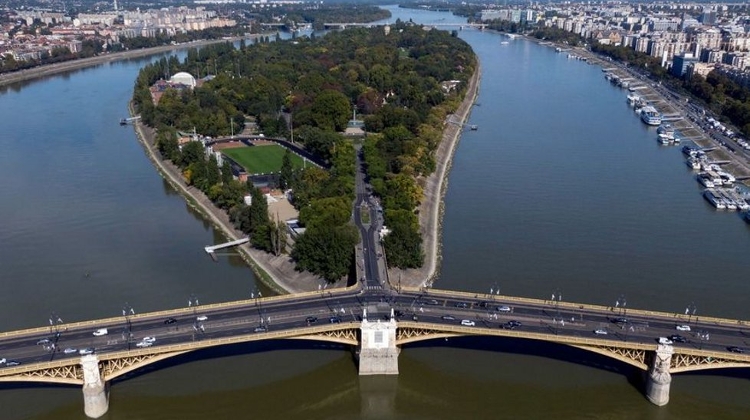
Way back in 1796, a transformative chapter began in the history of Margaret Island, when Archduke Joseph of Austria - known in Hungary as Palatine Joseph - set out to reshape the then neglected Danube island into a landscaped retreat inspired by the English garden movement.
At the time, the island - then often referred to as “Palatinus Island” - was far removed from the leafy urban oasis familiar today. Its medieval past as a religious centre had long faded, leaving behind ruins of convents and churches and large areas of neglected land.
The decision to redesign the island reflected a broader shift in European landscape design. The rigid symmetry of Baroque gardens was giving way to the more naturalistic and romantic ideals of the English landscape garden, which emphasised sweeping lawns, irregular tree groupings, and picturesque scenery.
Inspired by these trends - and by his own deep interest in horticulture - Joseph chose to develop Margaret Island as a landscaped park.
His work marked one of the earliest examples of this style being introduced into Hungary.
From Royal Retreat to Landscaped Park
Although the transformation unfolded over several decades, its origins lie in the late 18th century, shortly after Joseph assumed his role in Hungary.
By the early 19th century, the island had evolved into a carefully composed landscape garden.
Working with skilled gardeners such as Károly Tost, Joseph oversaw the planting of extensive tree collections, the creation of lawns and flowerbeds, and the integration of romantic features into the terrain.
He also introduced new plant species to Hungary and played a key role in popularising ornamental trees - particularly plane trees - which became a defining feature of Hungarian parks in this period.
Personal Passion Project by Palatine
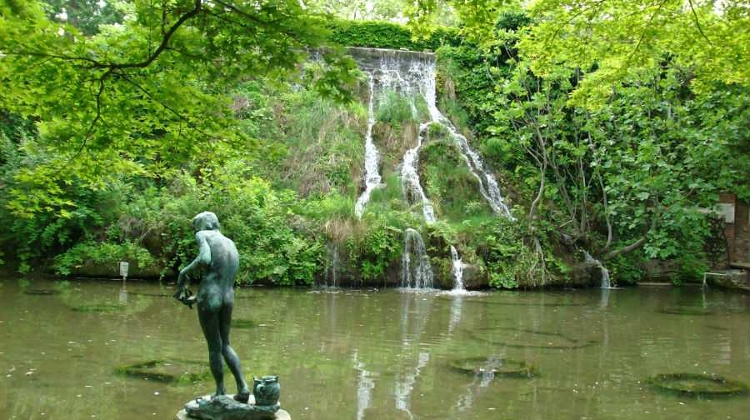
Margaret Island was not merely a political or urban project; it was also a personal one. Joseph, known as an accomplished and enthusiastic gardener, treated the island as both a private retreat and a semi-public space.
His vision balanced aesthetic beauty with accessibility, though tensions remained between preserving the landscape and opening it to visitors.
Over time, the island became one of the most important landscaped environments in Pest-Buda, alongside emerging public parks such as City Park.
Lasting English Garden Legacy in Budapest
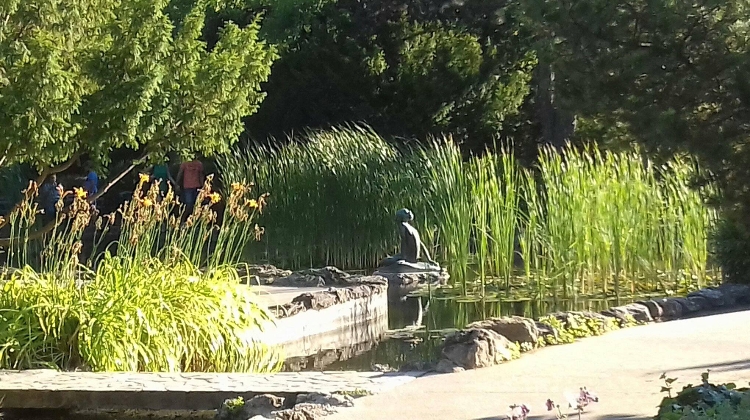
While further development in the 19th century - including the unification of separate river islands and later public access - shaped Margaret Island into its modern form, the decision to redesign it as an English garden in 1796 proved decisive.
This shift not only transformed the island but also introduced a new approach to landscape design in Hungary - one that blended nature, leisure, and urban life.
Today, Margaret Island remains one of Budapest’s most cherished green spaces, its winding paths, mature trees, and tranquil atmosphere still reflecting the vision first set in motion by Joseph Palatine over two centuries ago.
*********************************************************************************************
You're very welcome to comment, discuss and enjoy more stories via our Facebook page:
Facebook.com/XpatLoopNews + via XpatLoop’s groups: Budapest Expats / Expats Hungary
You can subscribe to our newsletter here: XpatLoop.com/Newsletters
Showcase Your Business to Expats in the Loop:
As an independent portal we’re grateful to all commercial supporters who help keep you in the loop with fresh insights and inspiration. Do you want your business to reach tens of thousands of potential high-value expat customers? If so please contact us here.



LATEST NEWS IN getting around