

















Farm to Basket: Your Guide to Pick-Your-Own Strawberries in Hungary
- 6 May 2026 6:12 AM

As spring progresses, Hungary’s strawberry season is moving into high gear. According to reports from Világgazdaság, the fruit is currently cultivated on approximately 800 hectares nationwide.
While the town of Tahitótfalu was once the traditional heart of production, the region around Lajosmizse in central Hungary has now taken the lead as the country's primary growing hub.
Freshness Over Price
For many expats, the arrival of domestic strawberries is a long-awaited seasonal highlight. While Greek imports are often available for nearly half the price of Hungarian crops, local growers emphasize the significant difference in quality.
Unlike many other fruits, strawberries do not continue to ripen after being harvested. Their peak flavor and texture last for only a few days after picking. In contrast to imported varieties that are often bred for durability during long-distance travel — resulting in a firmer but less flavorful fruit — Hungarian strawberries are prized for their immediate sweetness and aroma.
Current Market Prices
The first greenhouse-grown strawberries have been appearing at farmers’ stands for some time, with northern regions now catching up. Early-season fruit is currently retailing for approximately HUF 3,800–4,000 per kilogram.
The "Pick-Your-Own" Experience
For those who prefer to head into the fields themselves, the popular "Pick-Your-Own" (Szedd magad!) season is just around the corner. Depending on the specific region and the cultivation method used, most open-field gardens are expected to open their gates in two to four weeks.
In Bezenye, located in the Kisalföld region, a local four-hectare farm sells the majority of its crop through these public picking programs. While they are currently selling greenhouse stocks at their stands, they are preparing for a robust open-field harvest.
Interestingly, while many prices are rising, the "Pick-Your-Own" rates may offer better value this year. Last year, families typically paid HUF 1,500 per kilogram in the fields; however, due to expectations of a larger harvest this season, prices are projected to drop slightly to around HUF 1,300–1,400 per kilogram.
Peak Season:
Late May through June.
Pick-Your-Own Price:
Estimated HUF 1,300–1,400/kg.
Market Price:
Currently HUF 3,800–4,000/kg for early greenhouse crops.
Local Tip: Look for the "Szedd magad!" signs on the outskirts of major cities; most fields are located within a 30km radius of urban centers to ensure maximum freshness.
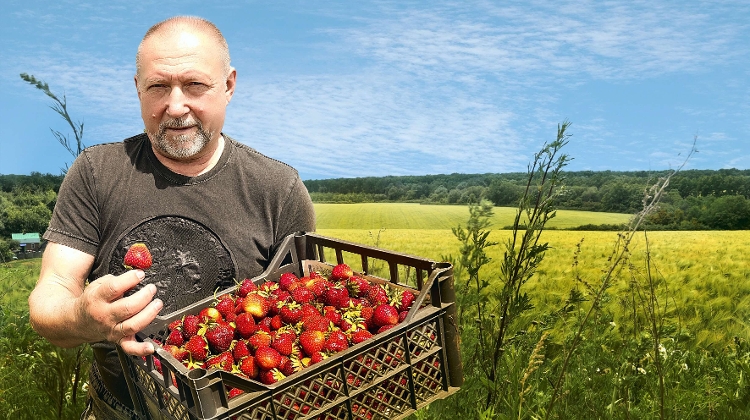
MTI Stock Photo
*********************************************************************************************
You're very welcome to comment, discuss and enjoy more stories via our Facebook page:
Facebook.com/XpatLoopNews + via XpatLoop’s groups: Budapest Expats / Expats Hungary
You can subscribe to our newsletter here: XpatLoop.com/Newsletters
Showcase Your Business to Expats in the Loop:
As an independent portal we’re grateful to all commercial supporters who help keep you in the loop with fresh insights and inspiration. Do you want your business to reach tens of thousands of potential high-value expat customers? If so please contact us here.


LATEST NEWS IN food & drink