


















Increase in Housing Market Risks in Hungary Flagged by Central Bank
- 3 Jun 2026 8:10 AM
The National Bank of Hungary (NBH) said the local banking system remains stable, but underscored increasing risks in the home lending market in a report published on Tuesday.
In the fresh biannual Financial Stability Report, the central bank and financial market regulator said the Hungarian banking system continued to be characterised by "high profitability, ample liquidity and a strong capital position" in 2025, adding that NPL ratios fell to a historical low: 1.6pc for retail loans and 3.2pc in the corporate portfolio.
However, the bank also highlighted a "substantial" increase in the average loan-to-value ratio of newly disbursed home loans amid rising overvaluation.
The local banking sector's return on equity reached 18.9pc at year-end, with net interest income still the primary source of banks' earnings, but the report pointed to an increase in the volatility of earnings and sensitivity to the yield environment resulting from the increasingly large share of interest-subsidised home loans in the retail portfolios.
Presenting the report, Adam Banai, a chief economist at the central bank, said interest subsidies accounted for over HUF 400bn of lenders' combined net interest income of HUF 2,137bn in 2025.
The sector's capital adequacy ratio stood at 20.1pc at year-end, with free capital amounting to HUF 2,025bn, and stress tests show the capital position of the sector wold remain "robust", with a capital shortage affecting only a small number of lenders.
The sector's average liquidity coverage ratio was 172pc in February and no systemic liquidity risks were identified, according to the report, although certain banks might need to implement more rigorous liquidity management in the event of a stress scenario.
The report noted a 7.3pc increase in the corporate loan portfolio in 2025, but said the recovery in corporate lending remains "fragile".
The retail loan portfolio grew 15pc during the year, boosted by the launch, from September, of the Home Start subsidised credit scheme for first-time home buyers.
The NBH estimated that around two-thirds of Home Start contracts were ones that would not have been signed in the absence of the scheme.
As a result of the Home Start scheme, the average loan-to value ratio rose from 59pc to 68pc, while borrowers took out "substantially" larger loans, both in nominal terms and as a percentage of their annual income.
Despite the bigger contracts, the average debt-service-to-income ratio of borrowers did not rise, the report said, adding that installments for Home Start loans are fixed for the entire maturity.
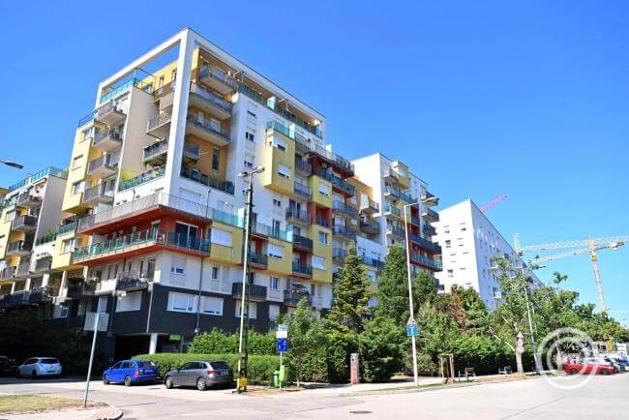
Home prices rose 23.5pc in nominal terms in 2025, and overvaluation increased to 22.5pc.
Photo: Pixabay.com
Source: MTI – Hungary’s national news agency since 1881. While MTI articles are usually factual, some may contain political bias, and readers should be aware that such content does not reflect the position of XpatLoop, which is neutral and independent.
Since the goal of XpatLoop is to keep readers well briefed, right across the spectrum of opinions, MTI items are shared to ensure readers are aware of all narratives within the local media.
XpatLoop believes in empowering readers to form their own views through complete and comprehensive coverage. To facilitate this XpatLoop has a balanced range of news partners, as you can see when you surf around XpatLoop.com
*********************************************************************************************
You're very welcome to comment, discuss and enjoy more stories via our Facebook page:
Facebook.com/XpatLoopNews + via XpatLoop’s groups: Budapest Expats / Expats Hungary
You can subscribe to our newsletter here: XpatLoop.com/Newsletters
Showcase Your Business to Expats in the Loop:
As an independent portal we’re grateful to all commercial supporters who help keep you in the loop with fresh insights and inspiration. Do you want your business to reach tens of thousands of potential high-value expat customers? If so please contact us here.





LATEST NEWS IN property